Source Safety Reflector Reflective Keychain for Road Signs, Gifts, and Decor
Find and compare 30 safety reflector reflective keychain options from China. These items feature acrylic or PVC materials, IP67 waterproof ratings, and custom shapes for road safety, promotional gifts, and decoration.
Key considerations
Products List


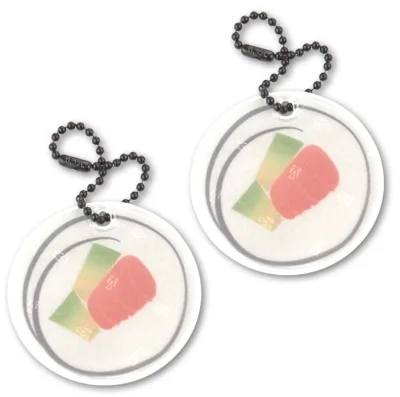

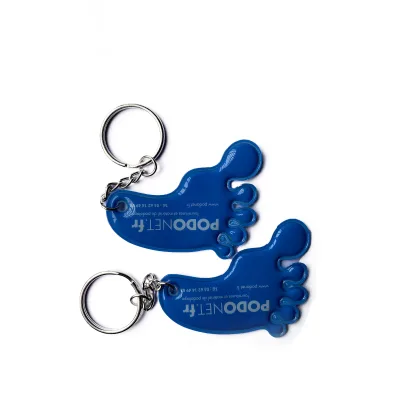


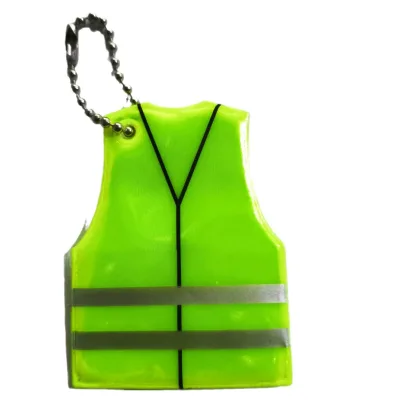

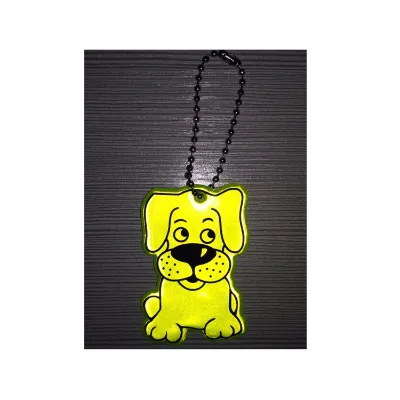
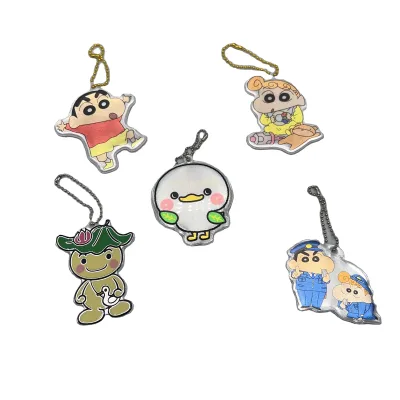


Comprehensive Sourcing Guide
Safety Reflector Reflective Keychain Sourcing Guide
Procuring safety reflector reflective keychains requires a nuanced understanding of the intersection between personal safety equipment and promotional merchandise. These items serve a dual purpose: they provide high-visibility safety features for pedestrians, cyclists, and children, while also functioning as branded giveaways for corporate events, road safety campaigns, or educational programs. Buyers must recognize that while the form factor is small and portable, the performance requirements for visibility and durability are significant. The sourcing process involves balancing aesthetic customization with the functional integrity of the reflective material, ensuring that the final product meets both marketing goals and safety expectations.
The market for these products is diverse, ranging from simple acrylic tags to more complex PVC or nylon constructions. Suppliers often offer a wide array of shapes, including animals and custom designs, to appeal to different demographics. However, the core value proposition remains the same: enhancing the wearer’s visibility in low-light conditions. Buyers should approach this category with a clear definition of their primary use case, whether it is for traffic safety promotion, general decoration, or as a functional accessory for keys and bags. This clarity will guide decisions on material selection, size, and attachment methods, ensuring that the procurement aligns with the intended application.
Product Scope and Observed Listing Signals
The observed product landscape for safety reflector keychains includes a variety of materials, primarily acrylic, PVC, and nylon. Acrylic options often feature precise dimensions, such as 63x58mm or 43.5x23.5x35cm for packaging, and may include specific functional attributes like being waterproof to IP67 standards. These rigid materials are suitable for applications requiring durability and a premium feel, often used in business-style promotions or as coin holders and bottle openers. The presence of certifications like En13356 in some listings suggests that certain products may meet specific European safety standards for reflective materials, which is a critical factor for buyers targeting regulated markets.
In contrast, PVC and nylon keychains offer flexibility and comfort, often designed with custom shapes and double-sided printing capabilities. These materials are frequently used for "cute" or business-style promotions and may include features like high-light reflective properties or green reflective colors. The observed price range of $0.02 to $2.50 USD indicates a broad spectrum of quality and complexity, with lower prices typically associated with simpler designs and higher volumes. Buyers should note that customization is widely available, allowing for tailored branding, but this often comes with minimum order quantities (MOQs) ranging from 50 to 100,000 units, depending on the supplier and the extent of the customization required.
Technical Specifications to Verify
When evaluating technical specifications, buyers must prioritize the dimensions and weight of the keychain to ensure it meets functional requirements. For instance, some acrylic models have specific thicknesses, such as 7mm, and weights around 13.4g, which contribute to their durability and perceived quality. The size of the reflective surface is crucial for visibility, with standard sizes like 63x63mm or 56x7.6mm being common. Buyers should verify these dimensions against their design needs, ensuring that the reflective area is sufficient for the intended use case, whether it is for road signs, roadway safety, or general decoration.
Attachment methods and packaging are also critical technical considerations. Keychains may be installed using ball chains, key chains, or ropes, each offering different levels of security and ease of use. Packaging options vary from individual PP bags to cartons and pallets, impacting logistics and storage efficiency. Buyers should confirm the single package size and gross weight, such as 5X5X1 cm and 0.050 kg, to calculate shipping costs accurately. Additionally, the origin of the product, often Zhejiang or Zhengjiang in China, can influence lead times and supply chain reliability, so verifying the place of origin is essential for planning.
Compliance and Safety Documentation
Compliance with safety standards is paramount for products intended for traffic safety or promotional use in regulated environments. Buyers should request documentation for certifications such as En13356, which pertains to reflective materials for road safety, to ensure that the product meets recognized safety benchmarks. While some listings mention ISO standards like ISO 20471:2013 for high-visibility clothing, buyers must verify if these apply to keychain reflectors, as the standards may differ for accessories versus apparel. It is crucial to distinguish between marketing claims and verified compliance, ensuring that the product’s reflective performance is tested and certified for its intended use.
Warranty and quality assurance policies provide additional layers of protection for buyers. A one-year warranty, as observed in some listings, indicates a supplier’s confidence in the product’s durability and performance. Buyers should inquire about the testing procedures used to validate waterproof ratings, such as IP67, and the longevity of the reflective properties under various environmental conditions. Understanding the supplier’s quality control processes, including inspections for defects in printing or material integrity, helps mitigate the risk of receiving substandard products. Clear documentation of these compliance and warranty terms should be included in the purchase agreement to safeguard against potential issues.
Cost Drivers and Commercial Terms
The cost of safety reflector keychains is influenced by several factors, including material choice, customization complexity, and order volume. Acrylic and PVC materials have different cost structures, with PVC often being more flexible for custom shapes but potentially more expensive due to molding requirements. The level of customization, such as double-sided printing or unique shapes, can also impact pricing, as these processes require additional setup and production time. Buyers should analyze the price range of $0.02 to $2.50 USD in the context of these variables, recognizing that higher customization and lower MOQs typically result in higher per-unit costs.
Commercial terms, including MOQs and payment conditions, play a significant role in the procurement strategy. MOQs ranging from 50 to 100,000 units allow for flexibility, but buyers must align their order size with their budget and storage capacity. For smaller orders, the per-unit cost may be higher, while larger volumes can leverage economies of scale. Buyers should also consider the packaging options, as bulk packaging in cartons or pallets can reduce shipping costs and improve handling efficiency. Negotiating favorable payment terms and delivery schedules is essential to manage cash flow and ensure timely receipt of goods, especially for time-sensitive promotional campaigns.
Supplier Qualification and Quality Control
Supplier qualification is a critical step in ensuring the reliability and quality of safety reflector keychains. Buyers should assess suppliers based on their production capabilities, quality control processes, and track record in the industry. Verifying the supplier’s origin, such as Zhejiang or Zhengjiang, can provide insights into their manufacturing expertise and supply chain efficiency. It is also important to check for any relevant certifications or audits that demonstrate the supplier’s commitment to quality and compliance. Engaging with suppliers who have a proven history of delivering consistent quality can reduce the risk of defects and delays.
Quality control measures should be implemented throughout the production process, from material sourcing to final inspection. Buyers should request samples to evaluate the product’s reflective performance, durability, and aesthetic quality before placing large orders. Establishing clear quality standards and inspection criteria, such as checking for printing defects or material inconsistencies, helps ensure that the final product meets expectations. Implementing a robust quality control plan, including pre-shipment inspections, can identify and address issues early, minimizing the impact of defects on the buyer’s operations. Building a strong relationship with the supplier through regular communication and feedback can further enhance quality and service levels.
Long-Term Procurement Checks
Long-term procurement success depends on continuous monitoring and evaluation of supplier performance and product quality. Buyers should establish key performance indicators (KPIs) to track metrics such as delivery times, defect rates, and customer satisfaction. Regularly reviewing these metrics helps identify areas for improvement and ensures that the supplier remains aligned with the buyer’s expectations. Additionally, staying informed about changes in safety standards and market trends allows buyers to adapt their procurement strategies accordingly, ensuring that the products remain relevant and compliant.
Building a resilient supply chain involves diversifying suppliers and maintaining open lines of communication. By working with multiple suppliers, buyers can mitigate the risk of disruptions and ensure a steady supply of safety reflector keychains. Regularly updating product specifications and requirements based on feedback and market insights helps keep the procurement process agile and responsive. Finally, fostering a collaborative relationship with suppliers, focusing on mutual growth and improvement, can lead to better pricing, innovation, and service quality over time, securing a competitive advantage in the market.
FAQs
What customization options are available for these keychains?
Customization is available for these keychains to meet specific buyer needs. The products support custom shapes and can be tailored for various uses like coin holders or promotional gifts while maintaining the business or cute style.
Which certifications do the safety reflectors hold?
The safety reflectors hold the En13356 certification as a verified standard. This ensures the products meet specific safety requirements for traffic safety promotion and kids safety applications in roadway environments.
How are the keychains packaged for shipment?
The keychains are packaged in PP bags, cartons, and pallets for secure transport. Some specific models may also be packed in individual boxes to ensure protection during shipping from Zhejiang, China.
Can these keychains be used as road signs?
Yes, these keychains can be used for road signs and roadway safety applications. They feature reflective colors like green and yellow to enhance visibility and function as traffic safety promotion gifts.
What is the warranty period for these products?
The warranty period for these products is one year from the date of purchase. This coverage applies to the acrylic or PVC materials used in the construction of the reflective key chains.
Which materials are used to make these keychains?
These keychains are made from acrylic or PVC and nylon materials. The choice of material supports the waterproof IP67 rating and ensures durability for use as bottle openers or photo frames.
What is the minimum order quantity for these items?
The minimum order quantity ranges from 50 to 100,000 units depending on the specific model. Buyers can select from various models like KW101 or KW106 based on their volume requirements.